

What Natural Things Will Help To Clean My Urine Out Over The Next Week
A bacterial infection causes urinary tract infections (UTIs), so doctors usually treat them with antibiotics. Just is it possible to care for a UTI without antibiotics?
UTIs are among the nearly common bacterial infections in the United States. They are especially prevalent in females, effectually
Increasingly, people want to know whether not-antibody treatments can resolve UTIs. We explore this possibility and provide seven evidence-based dwelling remedies that can help care for UTIs.

Getty Images
Antibiotics are an constructive treatment for UTIs. Withal, the trunk can ofttimes resolve minor, uncomplicated UTIs on its own without the help of antibiotics.
Past some estimates,
Complicated UTIs will require medical treatment. These UTIs involve one or more of the following factors:
- changes in the urinary tract or organs, such as a bloated prostate or reduced flow of urine
- species of leaner that are resistant to antibiotics
- conditions that bear on the allowed organization, such as HIV, cardiac disease, or lupus
Antibiotics are the standard handling for UTIs considering they kill the bacteria that cause the infections. Most UTIs develop when bacteria enter the urinary tract from exterior the body. The species of bacteria well-nigh probable to be responsible for UTIs include:
- Escherichia coli (E. coli), the crusade of up to
90% of all float infections - Staphylococcus epidermidis and Staphylococcus aureus
- Klebsiella pneumoniae
While antibiotics can usually treat UTIs quickly and effectively, people can exist allergic to them, and their use carries certain risks.
For instance, inquiry suggests an estimated
Other potential side effects of antibiotics as UTI treatments include:
- nausea and vomiting
- diarrhea
- a rash
- a headache
- abnormal liver function tests
More than severe risks of using antibiotics include:
Creating stronger strains of bacteria
Over fourth dimension, some species of bacteria have become resistant to traditional antibiotics. Co-ordinate to some
The more than a person uses an antibiotic, the greater the risk of the bacteria developing resistance. This is even more likely when people practise non follow a doctor's instructions to consummate the total prescribed course of handling.
It is essential to continue a class of antibiotics until the stop date that the doctor provides. People should likewise never share antibiotics with others.
Damaging expert bacteria
The body contains a community of bacteria, viruses, and fungi that live harmoniously and assistance with actual functions. Antibiotics may destroy some of these bacteria, which could increment the likelihood of other infections occurring, according to some
While scientific research supports some at-home or natural UTI remedies, others accept been a part of traditional medicine systems for thousands of years.
To treat a UTI without antibiotics, people can attempt the post-obit habitation remedies:
1. Stay hydrated
Getty Images
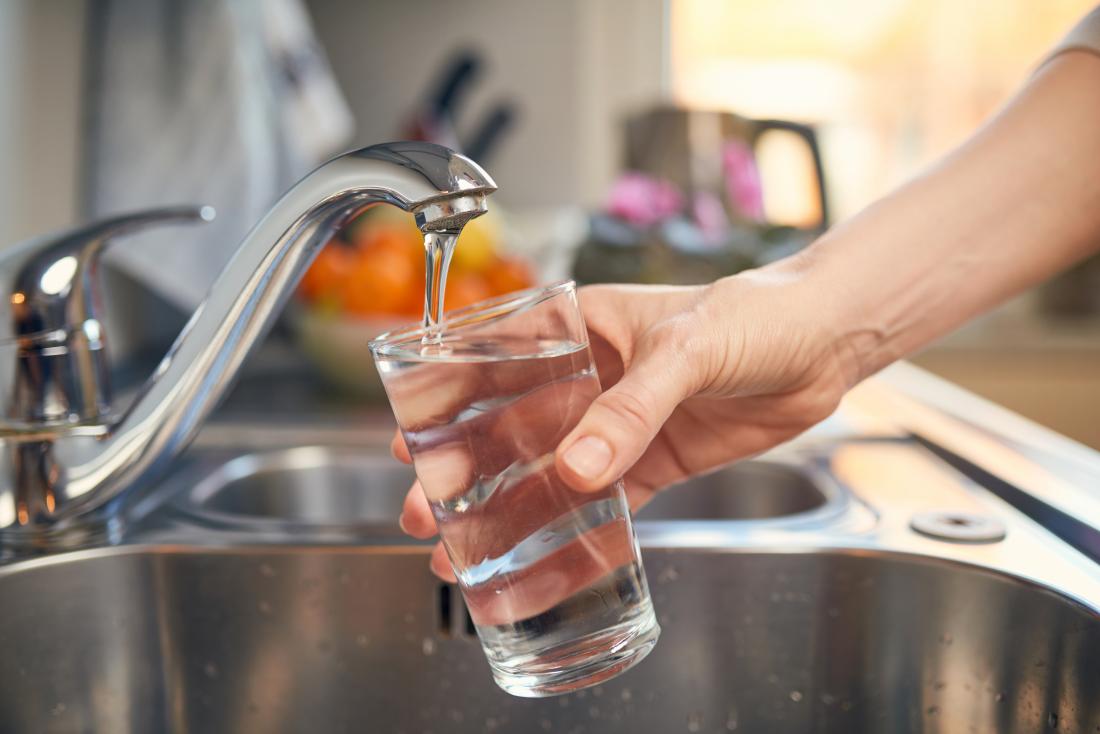
Drinking enough water is one of the easiest means to aid prevent and treat UTIs.
H2o helps the urinary tract organs remove waste material from the torso efficiently while retaining vital nutrients and electrolytes.
Existence hydrated also dilutes the urine and speeds its journey through the system, making information technology harder for bacteria to attain the cells that line urinary organs and cause an infection.
There is no fix recommendation for how much people should drink daily, every bit each person'due south h2o needs are different. On average, though, adults
ii. Urinate when the need arises
Frequent urination puts pressure on leaner in the urinary tract, which can help to clear them out.
Information technology also reduces the amount of time that bacteria in the urine are exposed to cells in the urinary tract, reducing the take chances of them attaching and forming an infection.
Always urinate as soon equally possible when the urge strikes to
3. Drink cranberry juice
Cranberry juice is one of the most well-established natural treatments for UTIs. People take also traditionally used it to assist articulate general infections and speed upwards wound recovery time.
Studies on the effectiveness of cranberry juice for UTIs accept had mixed results. Some
Cranberry juice also contains antioxidants, including polyphenols, which take antibacterial and anti-inflammatory backdrop.
There is no set guideline on how much cranberry juice to drinkable to treat a UTI, but a common recommendation is to beverage effectually 400 milliliters of at least 25% cranberry juice every day to preclude or treat UTIs.
4. Apply probiotics
Beneficial bacteria, known equally probiotics, tin assistance keep the urinary tract healthy and free from harmful bacteria.
In particular, a group of probiotics chosen lactobacilli may help treat and preclude UTIs, co-ordinate to some research. They may practise this by:
- preventing harmful bacteria from attaching to urinary tract cells
- producing hydrogen peroxide in urine, which is a strong antibacterial
- lowering urine pH, making conditions less favorable for bacteria
People who take lactobacillus supplements while on antibiotics for UTIs may develop less antibody resistance than people not taking them.
Probiotics occur in a variety of fermented and dairy products, including:
- yogurts
- kefir
- some types of cheese
- sauerkraut
People can likewise take probiotic supplements, ordinarily in the form of a capsule or a powder that mixes into water or other beverages.
5. Go plenty vitamin C
Vitamin C is an antioxidant that helps to improve immune arrangement function.
Vitamin C also reacts with nitrates in urine to course nitrogen oxides that can impale leaner. It can lower the pH of urine, making it less probable that bacteria will survive.
As with cranberry juice, people have been using vitamin C in diverse forms to treat UTIs for thousands of years. But at that place is a lack of quality enquiry to confirm whether or non increasing vitamin C intake can forbid or care for UTIs.
According to the limited research, taking other supplements alongside vitamin C may maximize its benefits.
A 2022 study showed data for 36 people with recurrent UTIs who took vitamin C, probiotics, and cranberries three times daily for 20 days, so stopped for 10 days. They repeated this wheel for iii months. The researchers concluded that this could be a safe and effective treatment approach for UTIs.
The National Institutes of Health
6. Wipe from front to dorsum
According to the
Once bacteria are in the urethra, they can travel up into other urinary tract organs, where they can lead to infections.
Later urinating, wipe in a mode that prevents bacteria from coming into contact with the genitals. Use separate pieces of toilet paper to wipe the genitals and anus.
vii. Do practiced sexual hygiene
The
Examples of good sexual hygiene include:
- urinating before and immediately after sexual activity
- using barrier contraception, such as a condom
- washing the genitals, especially the foreskin, earlier and afterwards engaging in sexual acts or intercourse
- washing the genitals or changing condoms if switching from anal sexual activity to vaginal sex
- ensuring that sexual partners are enlightened of any electric current or previous UTIs

Getty Images
If a person suspects that they might have a UTI, they should speak with a doctor for advice on the best way to treat the possible infection.
Antibiotics may not always exist necessary to treat UTIs, but it is all the same important to seek medical attending for any suspected infection. This will reduce the risk of a more astringent infection developing that is harder to treat.
The signs and symptoms of UTIs include:
- increased frequency and urgency of urination
- pain or burning when urinating
- fevers below 101°F
- pressure or cramping in the area around the lower belly and groin
- change in the smell or color of urine
- cloudy, murky, or encarmine urine
Beneath are answers to some ofttimes asked questions about treating UTIs.
Can UTIs go away on their own?
It's not uncommon for UTIs to go away on their ain without the use of antibiotics. In fact, some enquiry states that up to
Information technology's important to keep in mind that there are risks to leaving UTIs untreated.
Is treating a UTI without antibiotics rubber?
There are some risks to leaving UTIs untreated. Co-ordinate to research, nearly
A randomized trial also showed that kidney infections, besides known as pyelonephritis, may happen in nigh ii% of females with untreated UTIs.
Will my UTI last longer without antibiotics?
Every private is different, so information technology is difficult to gauge how long a UTI volition last without antibiotics. Even so, a
With treatment, an uncomplicated UTI may clear upwardly within
Most people develop a UTI at some bespeak in their lifetime, especially females.
Many UTIs go abroad on their own or with main care. Researchers are increasingly looking for ways to treat and forbid UTIs without antibiotics.
Several longstanding at-home remedies may assistance to prevent and treat UTIs.
People who think they take a UTI should always talk with a doctor before trying to treat the infection themselves.

Source: https://www.medicalnewstoday.com/articles/322411
Posted by: weatherspoonruncest91.blogspot.com
0 Response to "What Natural Things Will Help To Clean My Urine Out Over The Next Week"
Post a Comment